Why Professional Stucco Repair & Installation Improves Curb Appeal and Extends Exterior Lifespan
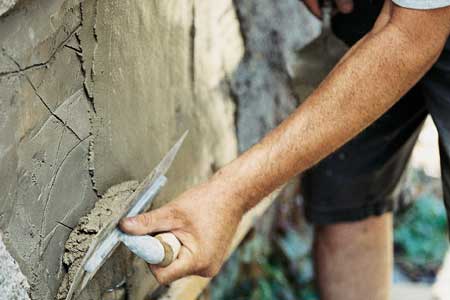
In Colorado Springs, CO, homes face dry sun, sudden temperature swings, and spring snow that melts and refreezes overnight. Professional stucco repair and installation protect your exterior from this cycle while boosting curb appeal that stands out in Briargate, Old Colorado City, Northgate, and beyond. When a trained Colorado Springs concrete contractor applies stucco correctly, your finish looks crisp on day one and keeps performing season after season.
How Professional Stucco Work Elevates Curb Appeal
First impressions start on the street. Fresh, even stucco lines, clean corners, and a consistent finish color make a home feel newer and well cared for. Skilled installers set proper control joints, integrate trim details, and float the surface to a uniform texture so sunlight glides over the wall instead of revealing waves and patches.
Color choice also matters at altitude. High UV in Colorado Springs can fade thin or low-quality coatings. Professionals specify compatible finishes, typically acrylic or elastomeric top coats designed for stucco, so your chosen shade looks rich whether you live near Rockrimmon or Broadmoor. The result is a façade with depth and shadow that complements stone, siding, or timber accents.
- Consistent texture and joint layout frame windows and doors cleanly.
- Right-sized color coats reduce patchy fade and chalking in strong sun.
- Trim reveals, and drip edges help shed water so stains do not streak.
Why Stucco Excels In Colorado Springs Weather
Stucco is mineral-based and vapor-permeable. That means walls can dry out after wet cycles from late snow or summer downpours. When properly detailed, stucco handles freeze-thaw cycles better than many finishes because it allows incidental moisture to escape rather than trapping it behind the cladding.
Our climate adds a twist. Hail and wind can stress weak areas around windows, sill lines, and low walls. A professional concrete contractor reinforces these zones with lath, corner beads, and sealant transitions made for stucco systems. Done right, your exterior resists microcracking, sheds water efficiently, and avoids the premature failures you might see in do-it-yourself patch jobs.
What Quality Installation Looks Like
Quality starts beneath the surface. Proper stucco assemblies include a drainage plane, weather-resistant barrier, metal lath or fiberglass mesh, and weep screeds at the base. Each layer has a job. The barrier stops bulk water, the lath provides structure, and the base and brown coats create the durable shell that receives the finish.
Control joints are another sign of craftsmanship. These planned breaks help the cladding move with temperature swings common along the Front Range. Installers place joints to align with windows and long wall runs so the finished pattern looks intentional and attractive.
Texture and finish are the final touches. From a smooth Santa Barbara look to a classic dash or sand finish, pros build samples in daylight to confirm the exact texture and color before coating the whole house. This step prevents surprises and ensures neighbors notice your upgrade for the right reasons.
Repair Versus Replace: How Pros Decide
Not every crack means you need a full tear-off. Trained technicians examine crack width, length, and pattern. Hairline thermal cracks often respond to elastomeric coatings or localized patching. Wider step cracks or bulges can indicate substrate movement, water intrusion, or impact damage, which may require partial rebuilds.
In areas with higher wind exposure, inspectors also check parapets, chimney caps, and kick-out flashing. A good repair plan addresses causes, not just symptoms. That might mean resealing window perimeters, adding drip edges, or updating control joints along with the visible patch.
- Hairline cracks: typically treated with compatible coatings after surface prep.
- Patterned or stair-step cracks: investigate framing or foundation movement.
- Hollow sounds when tapped: evaluate for delamination and moisture entry.
Long-Term Maintenance That Protects Your Investment
Stucco needs less care than many claddings, but a small amount of routine maintenance goes a long way. Annual visual checks each spring and fall catch hairline cracks before water works in during freeze-thaw. Gentle cleaning preserves aesthetics without risk to the finish. Avoid harsh pressure washing that can erode the surface, drive water behind the cladding, or strip coatings.
Sealants around doors, windows, and light fixtures should be flexible and compatible with stucco. Replacing brittle or split beads helps the wall shed water. Plan to refresh high-performing top coats when they show signs of chalking or uneven fade so the base system stays protected.
Common Local Red Flags And How Pros Solve Them
Hail dimples, spider cracking, and efflorescence are common across the Pikes Peak region. Spider cracks often trace back to rushed curing or missing joints. Efflorescence looks like a white powder on the surface. It signals moisture moving through and leaving mineral salts behind. Pros source the moisture pathway and correct it before cleaning or recoating, so stains do not return.
Window head stains can travel down the wall after heavy summer storms. This is often a flashing or sealant issue rather than a stucco failure. A qualified crew reseals transitions and adjusts drip details so water drops free from the wall. On south and west exposures, UV can accelerate finish wear. Upgrading to a high-solids elastomeric top coat adds flexibility and color hold for longer life.
Choosing A Trusted Concrete Contractor In Colorado Springs
Look for a company with stucco-specific experience and a clear process. Ask about substrate prep, lath type, control joint layout, curing times, and finish systems. A solid contractor explains these steps in plain language and gives you a timeline that respects cure durations. New stucco is a multi-day process because each coat needs time to set before the next layer goes on.
Review photos of recent work in neighborhoods like Black Forest, Broadmoor, and Old Colorado City. Similar home styles and exposures help you picture results on your property. Clear communication, tidy job sites, and documented product datasheets are all good signs that you will receive durable work rather than short-term patches.
Always verify that your contractor uses compatible components from the weather barrier through the finish coat so the system performs as a whole. Mixing products without checking manufacturer guidance can shorten the wall's life and void finish warranties.
How Professional Repairs Extend Exterior Lifespan
When pros repair stucco, they do more than fill a crack. They tie patches back to sound material, re-lath as needed, and feather textures so seams vanish from normal viewing distance. This approach stops water at the surface and prevents slow damage that spreads under the finish. Over time, you save on repainting and avoid more extensive structural repairs.
A well-detailed stucco wall manages water in two ways. First, it sheds as much as possible at the surface with proper slope and drip edges. Second, it allows incidental moisture to escape through the drainage plane and weeps. Together, these details guard the sheathing and framing, which is how a good stucco job adds years to your exterior.
Texture And Color Choices That Look Great In Every Season
Colorado Springs has four true seasons. Snow highlights ridges and casts blue light on north walls. Summer sun warms tones and can expose uneven textures. That is why sample panels matter. A sand float with a medium profile often balances shadow and smoothness on larger façades, while a fine float can make small homes appear sleeker.
Color families that perform well locally include warm grays, soft tans, and desert neutrals that resist visible dust and pollen. Bolder trim colors on fascias or pop-outs can add depth without overpowering the field color. Professionals also discuss sheen and coating type so you get a finish that is easy to clean and resists chalking under high UV.
Protecting Transitions, Joints, And High-Stress Areas
Most stucco issues start where materials meet. Window perimeters, door thresholds, hose bibs, light fixtures, and deck attachments create paths for water. Proper backer rod and sealant, slip sheets at the right places, and clean joint design protect these edges. Kick-out flashings at roof-to-wall transitions push water away from the stucco, preventing staining and saturation from starting at the eaves.
At the base of walls, weep screeds and clearance above hardscape help drying and prevent wicking from snow piles. Pros keep the grade and mulch off the stucco so winter moisture is not held against the wall. In drive-side breezeways, adding a more resilient finish at vehicle bumper height can prevent scuffs that become entry points for water.
Never bridge control joints with rigid coatings or caulks not designed for movement. These joints need to move. The right elastomeric products flex with the wall and keep protection intact.
The Role Of Curing And Seasonal Timing
Temperature and humidity drive cure times. In our region, spring and early fall often provide the best balance for new installations and larger repairs. Summer installs work well, too, with shade and misting as recommended by product data sheets. When the timing is right, coats bond better, surface water does not flash off too quickly, and hairline cracks are less likely to form.
After application, the wall needs time before painting or applying final coatings. This waiting period allows internal moisture to leave the cement matrix. Respecting these steps is a quiet but crucial part of building a stucco system that lasts.
How To Read Small Signs Before They Grow
Homeowners can spot early warnings without climbing ladders. Check for changes in texture, fine map cracking, or chalky residue on your hand when you rub the wall. Look under eaves where wind-driven rain might sneak past roof edges. If you notice a hollow sound when you tap a suspect area, it could indicate delamination and warrant professional inspection.
On sloped lots in neighborhoods like Northgate and Briargate, keep an eye on walls at the bottom of stair runs or near downspouts. Splashback can concentrate water on a small section of the wall. A targeted repair that improves drainage and topcoat performance can stop this cycle before it spreads.
Address small cracks before the first hard freeze of the season to keep water out of the cement matrix. Quick attention reduces the stress of repeated overnight freeze-thaw that can widen openings and stain finishes.
Working With K&D Concrete and Stucco: What To Expect
From the first visit, you will get a straightforward inspection and a plain-language plan. We document conditions with photos, explain repair or installation options, and outline steps that protect adjacent landscaping and hardscapes. Crews keep sites tidy, protect windows and roof edges, and confirm color and texture with samples, so you see the finish in real Colorado light.
You will know how we stage the work, where joints will go, and what products we use at each layer. When the project wraps, you receive care guidance that fits our climate so your stucco continues to look sharp through spring winds and winter storms.
Ready for a home that looks sharp and stands up to local weather? Schedule professional stucco repair & installation with trusted Colorado Springs experts today.
Get Lasting Results With Professional Stucco Repair & Installation
A curb-appealing exterior should not be fragile. With the right inspection, materials, and installation sequence, stucco becomes a tough skin that looks great and protects the structure beneath. Whether you are updating a classic Old Colorado City bungalow or finishing a new build in Northgate, a pro team delivers consistent texture, smart joint layout, and finishes that hold their color in our bright sun.
Talk with K&D Concrete and Stucco about your goals and timeline. We will help you choose textures and coatings that match your style and the realities of Colorado Springs weather. For questions about stucco repair & installation or to schedule a visit, call 719-428-5540. We are here to help your home look its best today and stay that way for the long haul.