How Professional Concrete Repair Helps Prevent Water Drainage Problems Around Residential Foundations
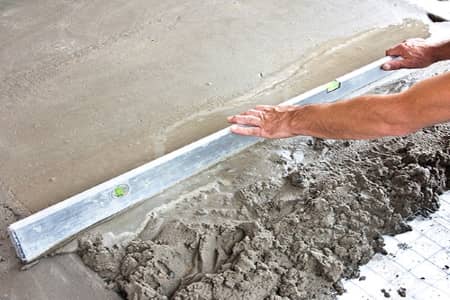
When water keeps sneaking toward your foundation, the real problem often starts at the surface. Uneven slabs, open joints, and settled concrete create channels that guide runoff straight to your home. With professional concrete repair in Colorado Springs, targeted fixes reshape those pathways so rain, snowmelt, and sprinkler runoff are directed away from the structure.
Early action matters along the Front Range. Intense summer downpours, sudden freeze-thaw swings, and clay-heavy soils around neighborhoods like Briargate, Broadmoor, Old Colorado City, Peyton, Falcon, Monument, and Black Forest can speed up surface wear. A focused repair plan aligns the concrete surface, tightens the joints, and restores proper flow. Many homeowners start with professional concrete repair because it solves drainage at the source and helps protect the foundation.
Why Drainage Around Foundations Fails In Colorado Springs
Water problems around foundations usually build up over time. In our area, the combination of expanding clays, sloping lots near the foothills, and quick temperature shifts can move concrete by fractions of an inch each season. Those small changes are enough to create low spots and hairline cracks that gather water and send it toward the house.
Common contributors include:
- Settlement that tilts driveway or patio panels toward the foundation instead of the street or yard
- Worn-out or missing joint sealant that lets water sink below the slab
- Cracks that open during winter, fill with water in spring, and widen again after freeze-thaw cycles
- Poor surface texture where smooth, polished areas become slippery and allow water to sheet toward the home
Left alone, these issues connect like tiny streams after a storm. The result is pooling near the foundation, saturated soils, and extra pressure on below-grade walls. Correcting surface concrete problems interrupts that flow before it reaches the home.
How Concrete Repair Redirects Water Away From Your Home
A skilled concrete contractor in Colorado Springs focuses on both structure and flow. The goal is simple: raise or reshape surfaces, close openings, and renew edges so water follows a predictable path away from the house.
Crack Injection And Joint Sealing
Narrow cracks and open control joints act like drains. Pros clean and prepare these gaps, then fill them with flexible materials that move with seasonal changes. This stops water from seeping below the slab and undermining the base. Repaired joints also create a continuous barrier that directs runoff across the top of the concrete rather than through it.
Slab Lifting And Void Filling
Where panels have settled, lifting the slab restores the proper pitch. In driveways, garage floors, and walkways, just a few degrees of corrected slope can send a surprising amount of water back toward the street or lawn. Filling hidden voids beneath the slab stabilizes the support layer, preventing water from carving new channels beneath.
Edge Restraints And Transitions
Transitions where patio concrete meets landscaping or where a driveway meets a garage are frequent trouble zones. Repair at these edges removes trip lips, tightens seams, and establishes a smooth, slightly crowned route for water to follow. You get a safer footing and a surface that sheds water the right way.
Surface Profiling And Protective Sealers
Over time, concrete pores open up, and the top layer polishes smoothly. Light surface profiling renews traction and helps water break apart rather than sheet straight to the foundation. Quality sealers reduce water penetration and protect against de-icing salts, which is helpful after Colorado Springs snowfalls and late-spring freeze events.
Warning Signs You Should Schedule Repair Now
Drainage-related damage often starts small. If you spot any of the signs below, a prompt assessment can prevent foundation stress and interior moisture problems later.
- Puddles that linger near the foundation after afternoon thunderstorms
- Sidewalk or driveway slabs leaning toward the house
- Open joints where you can see gaps or failed sealant
- Cracks that widen in winter and collect grit or debris
- Water trails or silt lines on the patio after heavy rain
Do not ignore recurring puddles near your foundation. Repeated saturation increases lateral pressure on walls and can speed up settlement around footings.
What To Expect From A Professional Concrete Contractor
A thorough visit starts with questions about when you notice water issues, which storms cause the biggest problems, and whether you have downspouts or sprinklers nearby. Your technician will review slopes with a level, check joint conditions, and look for hidden voids or soft base material. The result is a plan that targets both the structural and drainage causes on your property.
Most professional repair plans follow a clear sequence:
- Surface and joint preparation to ensure bonding and movement where needed
- Strategic slab lifting or stabilization to restore the intended pitch
- Rebuilding or sealing joints so water travels over, not through, the concrete
- Detailing at edges and transitions to keep water from sneaking under thresholds
- Protective sealing suited to local weather and traffic patterns
Because weather changes quickly along the Front Range, scheduling is planned around temperature, moisture, and cure-time windows. Reputable teams explain the sequence, the expected downtime, and how your surface will manage runoff once work is complete.
Neighborhood And Weather Factors Around Colorado Springs
Homes near the foothills often sit on slopes that speed up runoff. In flatter areas, such as parts of Briargate, water can spread widely before pooling near patios and window wells. Monsoon season storms in July and August drop heavy rain in a short window. Spring thaws leave meltwater searching for the lowest point. A proper repair plan accounts for these patterns, so water is guided into safe dispersal areas rather than toward the foundation.
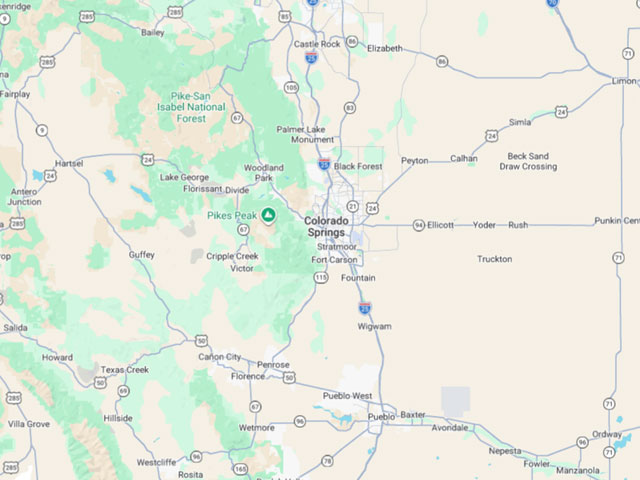
If you want to see how service areas map across the city, review the page for Colorado Springs, CO. Understanding local soils and drainage habits is a major advantage when designing long-lasting repairs.
How Surface Pitch Protects Your Foundation
Think of each concrete panel as a tiny roof. When the panel tilts away from the house, water runs off it and continues downhill. If the panel is flat or angled incorrectly, even a small sprinkle can migrate toward the foundation. By correcting pitch through lifting and careful grinding where appropriate, pros set a reliable direction for water. Once the direction is right at the surface, every storm becomes less stressful on the soil around your home.
Many homeowners also appreciate the safety gains. Eliminating low spots reduces slick algae growth and icy patches in winter. Renewed joints and edges keep strollers, bikes, and foot traffic from catching on raised lips.
Why Sealed Joints Make A Big Difference
Concrete breathes and moves. Joints are designed to control that movement, so cracks do not appear at random. When joints fail, they capture and funnel water under the slab. Fresh, flexible joint material acts like a zipper that closes the path downward and forces water to continue across the top. In a heavy downpour, that single change can redirect gallons of runoff away from your foundation wall.
Joint work is particularly valuable around garage doors and entryways. Those areas often see snow piled up or meltwater from cars and boots. Tightening the seams keeps that moisture from sinking into the base where it can erode support.
Why Acting Now Costs Less Stress Later
Water problems rarely stay the same from season to season. Freeze-thaw cycles enlarge openings, and each storm tests the weak spots again. A modest repair that closes a drainage path today often prevents larger structural fixes tomorrow. That peace of mind is why so many neighbors invest in concrete slab repair services before the next round of summer storms.
For readers comparing companies, look for experience with Front Range soils, clear communication about slope correction, and materials that flex in cold weather. Ask how the plan will change water flow, not only how it will close a crack. When a team can describe where the water will go after the repair, you are on the right track.
How This Work Integrates With The Rest Of Your Property
Great concrete repair pays attention to everything that touches the slab. That includes landscaping borders, mulch beds next to patios, and the channel where the driveway meets the street. When edges and transitions are finished cleanly, the entire surface functions as a single system that moves water away from the home. You do not need a brand-new pour to get that result. Strategic corrections and renewals usually deliver a strong improvement without disrupting your routine for long.
If you are researching options, many homeowners start at the main site to learn about concrete repair in Colorado Springs and how a local crew approaches slope and joint work across different neighborhoods.
Results You Can Feel After The Next Storm
After repair, you will notice that puddles disappear more quickly and water seems to "choose" a different path. That is the surface doing its job. Over time, soil near the foundation dries out, and sidewalks or patios feel more solid underfoot. Indoors, you reduce the risk of musty odors and other moisture-related concerns that begin with saturated perimeter soils.
A simple rule of thumb: if you see water sitting near your foundation after any ordinary shower, it is time to have the surface inspected. Correcting the grade and joints at the top is one of the safest ways to reduce the load on the structure below.
Work With A Local Team You Can Trust
Local knowledge matters when the weather can change in an hour. A proven crew will evaluate slopes, explain the plan in plain language, and stand behind the workmanship. Many teams also offer workmanship assurances, so you know what is covered if seasonal movement tests the repair.
Ready to protect your foundation with professional concrete repair in Colorado Springs? Talk with K&D Concrete and Stucco to plan the right fix before the next storm.
Have questions about timing or materials? Call us at 719-428-5540, and we will walk you through the approach for your specific home and surface.
Long-Term Protection And Peace Of Mind
Concrete around your home is more than a walking surface. It is the first line of defense that shapes where water goes. By restoring pitch, sealing joints, and stabilizing support, you route water to safer ground and reduce stress on your foundation year-round. When summer storms roll over Pikes Peak or a late frost hits in April, you will be glad the surface is ready.
If you are exploring next steps, learn how targeted repairs improve drainage performance on the dedicated page for professional concrete repair. With the right plan and a trusted team, your concrete can shed water properly for years to come.